
Unveiling the Unforeseen: The Evolution of Design in Transforming Spaces

As we step into a new era, the design world stands at the forefront of change, dramatically altering our relationship with our environments. The future of design goes beyond mere appearance; it merges utility, technology, and sustainability. This exploration of emerging trends and innovative strategies reveals how spaces are adapting to meet modern demands, ultimately enhancing our daily experiences.
The Rise of Biophilic Design
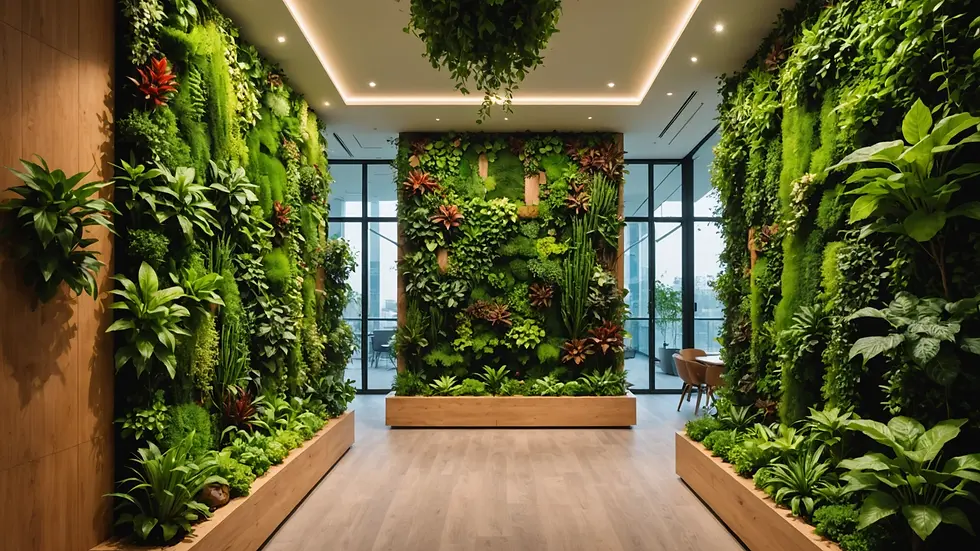
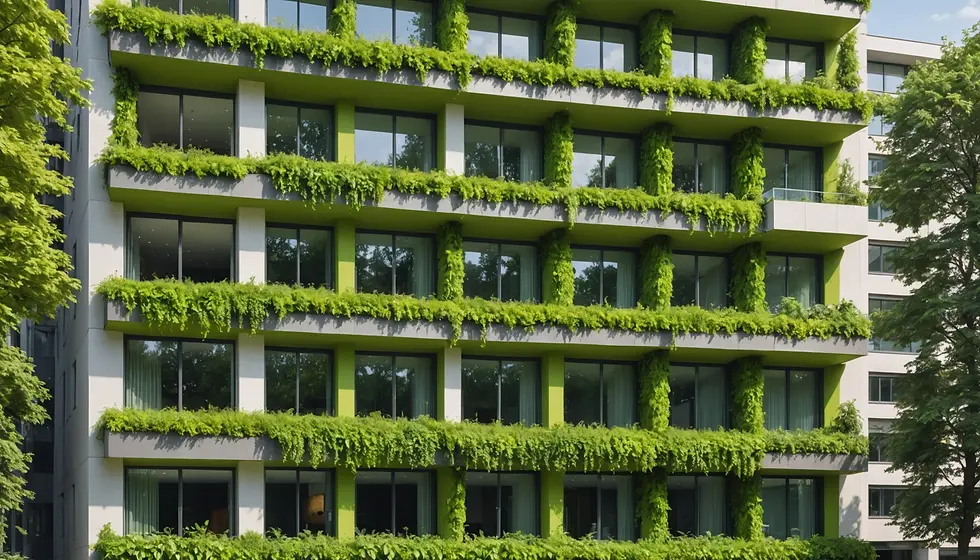
Biophilic design is increasingly important, focusing on reconnecting people with nature. This approach integrates natural elements into urban spaces, cultivating environments that enhance both well-being and creativity. Imagine offices with living walls that not only look impressive but also improve air quality. Natural lighting systems that mimic sunlight are being adopted in schools, boosting student focus by as much as 15%. Water features, such as fountains or small ponds, contribute a sense of calm to busy city landscapes.
Institutions worldwide are recognizing the benefits of this design philosophy. For example, a study by the University of Queensland found that environments featuring biophilic design can improve worker productivity by 8% to 10%.
Smart Spaces and the Internet of Things
The integration of smart technology is dramatically changing how we experience spaces. With the Internet of Things (IoT), everyday objects become interconnected, allowing for a seamless interaction between people and their environments. Smart lighting systems can adjust brightness based on natural light exposure, leading to energy savings of up to 30%. Climate control systems can optimize comfort without wasting energy, making homes and offices more sustainable and efficient.
In homes, voice-controlled assistants can manage light, temperature, and security settings, creating an easily personalized environment. A recent report revealed that homes equipped with smart features see a reduction in energy consumption of 15% on average.
Flexible and Multi-functional Spaces
As urban centers grow more crowded, the call for functional, adaptable spaces intensifies. Modern design increasingly prioritizes flexibility, ensuring that spaces can serve multiple purposes. Examples include modular furniture that can be reconfigured for different gatherings or retractable walls that transform an open area into distinct rooms.
These ideas are especially relevant in urban apartments, where residents often have limited space. For instance, a piece of furniture that serves as a sofa by day can convert into a bed at night, maximizing the use of a small footprint. This adaptability allows residents to host everything from intimate dinner parties to larger social events effortlessly.
Sustainable Practices Shaping Design
Today’s design landscape is heavily influenced by sustainability. Designers are re-evaluating materials and production methods to prioritize eco-friendliness. A significant shift towards using sustainable materials, such as bamboo and recycled metals, is evident in both residential and commercial projects.
The focus on environmental responsibility encourages designers to consider the lifecycle of products. For instance, the use of reclaimed wood can reduce waste and minimize the need for new resources. By incorporating strategies to reduce waste and choosing renewable materials, designers are fostering a culture of awareness among consumers, prompting them to make conscious decisions about the environments they inhabit.
The Impact of Augmented and Virtual Reality
Augmented Reality (AR) and Virtual Reality (VR) are transforming the design process significantly. These technologies enable designers and clients to visualize projects before any construction begins, promoting informed decision-making.
For example, AR allows clients to experience a digital model of their home, rearranging furniture or testing color schemes in real-time. This interactivity leads to greater satisfaction; studies indicate that users of VR design tools report a 50% higher satisfaction rate compared to traditional design processes.
Looking Ahead
The evolution of design is a dynamic process, continuously reshaping how we perceive and interact with our surroundings. From integrating biophilic features to using smart technology for adaptable environments, the future of design is promising. As designers prioritize sustainability, the spaces we occupy are becoming increasingly aligned with our values and desires. With new innovations on the horizon, we can look forward to experiencing environments that reflect our modern lifestyles and enhance our overall well-being.


Comments