
Exploring the Future of Sustainable Architecture: A Path to Environmental Impact

Sustainable architecture is more than just a fleeting trend; it marks a pivotal change in how we design and construct our living spaces. As global awareness of environmental challenges rises, architects and builders are actively seeking innovative methods to reduce ecological footprints while enhancing functionality and design. This post explores the fundamental principles of sustainable architecture and its potential to pave the way for a greener future.
Understanding Sustainable Architecture
Sustainable architecture primarily focuses on minimizing the adverse effects buildings have on the environment. This is achieved through various strategies aimed at improving energy efficiency, utilizing renewable materials, and enhancing the health and comfort of occupants. For example, a study by the U.S. Green Building Council found that green buildings can reduce energy consumption by up to 30% compared to traditional structures. These practices allow architects to greatly lower greenhouse gas emissions and conserve vital natural resources.
Beyond energy savings, sustainable architecture incorporates ecological and social aspects into the design process. This holistic approach ensures that buildings not only serve present needs but are also adaptable for future demands while preserving the environment.
Key Principles of Sustainable Design
Sustainable architecture is governed by several important principles:
Energy Efficiency: Implementing renewable energy sources such as solar panels can cut a building's reliance on fossil fuels significantly. For instance, buildings equipped with solar energy systems can see a reduction in energy costs of 50% to 80% over their lifetime. Additionally, designs that maximize natural light can further reduce electricity consumption.
Sustainable Materials: Selecting materials that are locally sourced, recycled, or sustainably obtained significantly lowers the environmental impact of construction. For example, using bamboo — which grows quickly and absorbs a substantial amount of carbon dioxide — or reclaimed wood can provide durable, eco-friendly options compared to traditional materials.
Water Conservation: Features like rainwater harvesting systems and dual-flush toilets can dramatically lower water usage in both residential and commercial buildings. Studies show that implementing such systems can save more than 30% of water consumption in buildings.
Indoor Environment Quality: Sustainable architecture enhances occupant health by ensuring proper ventilation and using non-toxic materials. Research indicates that improved indoor air quality can boost worker productivity by as much as 10%, highlighting the importance of a healthy indoor space.
Biodiversity and Landscaping: Thoughtful landscape design can foster local biodiversity. For instance, incorporating native plant species into landscaping can reduce the need for irrigation and promote healthier ecosystems.
Innovations in Sustainable Architecture
Sustainable architecture is continually progressing, fueled by technological advancements and creative approaches. For instance, smart building technologies allow for real-time monitoring of energy use, which enables better management of resources. Remarkably, studies show that smart buildings can reduce energy consumption by an additional 10-30%.
Moreover, trends like modular construction, where pre-fabricated components are produced off-site, can significantly decrease waste and increase efficiency. This method can result in 20-30% less construction waste compared to traditional building processes.
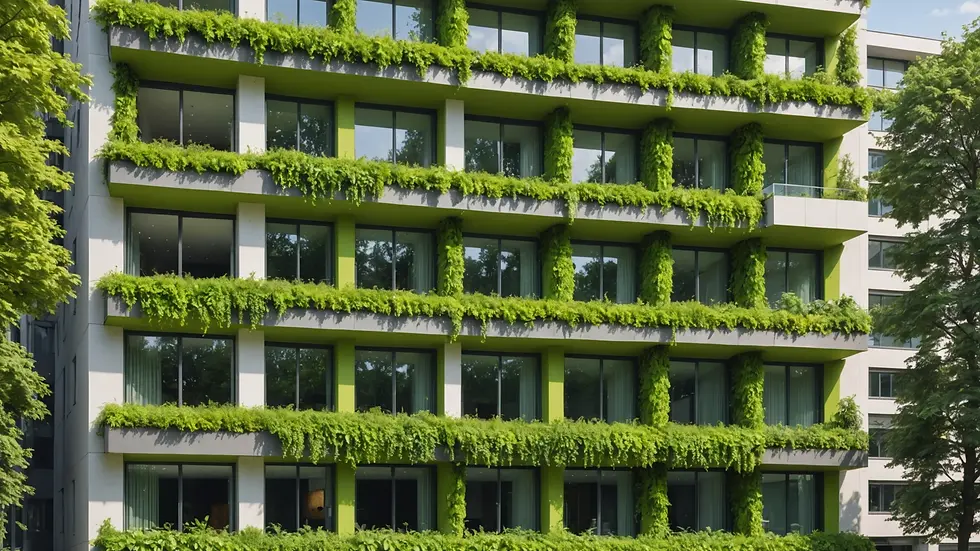
Additionally, biophilic design, which incorporates natural elements into urban living spaces, fosters a stronger bond between occupants and their environments. By integrating living walls or natural materials, architects enhance both aesthetics and well-being.
The Path Forward
Sustainable architecture is crucial for achieving a greener, more sustainable future. By emphasizing energy efficiency, eco-friendly materials, and occupant well-being, architects can design spaces that meet current needs while ensuring a healthier environment for future generations.
Incorporating these principles could lead to significant environmental benefits. As we pursue innovative architectural solutions, the potential for positive impact is immense. By embracing sustainability today, we contribute to a brighter tomorrow.


Comments