
Unveiling the Impact: Purpose-Driven Design in a New Light

In a fast-paced world filled with endless product choices, purpose-driven design stands out as a guiding principle that connects innovation with meaning. Designers face the challenge of not just creating good-looking products but also weaving in stories that resonate with users and enhance their daily lives. In this blog post, we will explore what purpose-driven design really means and its profound effects on both creators and consumers.
Understanding Purpose-Driven Design
Purpose-driven design goes beyond surface-level aesthetics. It is built on a clear mission that drives every aspect of the design process. Each decision is informed by a larger goal, such as sustainability, social impact, or improving user experiences. For instance, consider a startup that designs reusable water bottles. Their mission is to combat plastic waste. By using sustainable materials, they offer eco-friendly alternatives while educating consumers about environmental issues. This alignment creates practical benefits and strengthens the connection between the product and its users.
The Role of Intentionality
At the core of purpose-driven design is intentionality. Designers must ponder vital questions: What problem am I solving? Who will benefit from this design? This reflective practice leads to purposeful outcomes, resulting in products that are both functional and impactful. For example, a furniture designer may focus on creating modular furniture aimed at small urban living spaces. By recognizing the need for flexible solutions, they cater to a growing demographic living in limited spaces, ultimately inspiring users and fostering community connections.
Sustainability: A Design Imperative
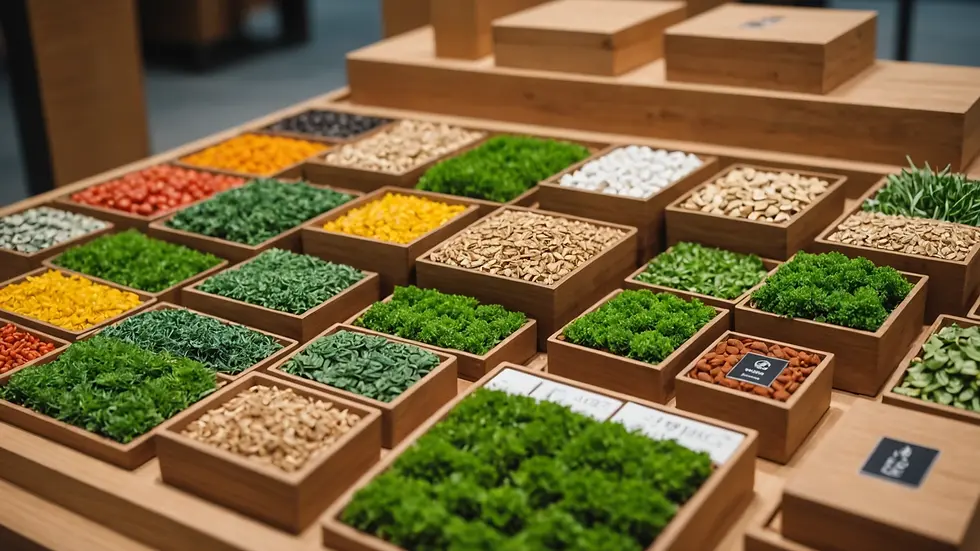
Sustainability has quickly become a fundamental aspect of purpose-driven design. Studies show that 73% of consumers prefer to buy from brands that are environmentally conscious. This trend highlights the need for designers to incorporate eco-friendly materials and practices. For example, companies like Patagonia, which prides itself on using recycled materials, not only attract eco-aware consumers but also contribute to a healthier planet. This commitment to sustainability drives innovation and encourages the use of renewable resources and efficient manufacturing processes.
Enhancing User Experience
A vital component of purpose-driven design is its focus on user experience (UX). Effective design is not merely about aesthetics; it is about functionality and relevancy for users. By prioritizing user needs, purpose-driven designers can create experiences that both empower and delight. Brands like Apple have mastered this principle; they design products that are intuitive and user-friendly, leading to incredible brand loyalty. Research shows that products that resonate emotionally with users can boost retention rates by 30%, proving that a user-centric approach pays off.
The Future of Design
As we look ahead, the demand for purpose-driven design will only grow. Designers have tremendous potential to create products that foster social change. By collaborating across various disciplines and embracing different perspectives, they can develop innovative solutions to pressing challenges, like climate change and social inequality. As discussions around ethics in design continue to rise, integrating purpose into design will become essential. Brands that focus on real impact will stand out in a crowded marketplace.
A Call to Action
Purpose-driven design represents a transformative approach to creativity and innovation. By shifting the focus from mere aesthetics to a solid understanding of purpose, designers can create products that meet functional needs while echoing deeply with users and the world around them. As the design landscape evolves, adopting a purpose-driven mindset will be vital for crafting a future where creativity and meaningful impact coexist. Let us design with intent, challenge the status quo, and work towards shaping a better world through our creative efforts.


Comments